

 Search
Release Date: 21-07-
The Golden Era of Osaka Real Estate
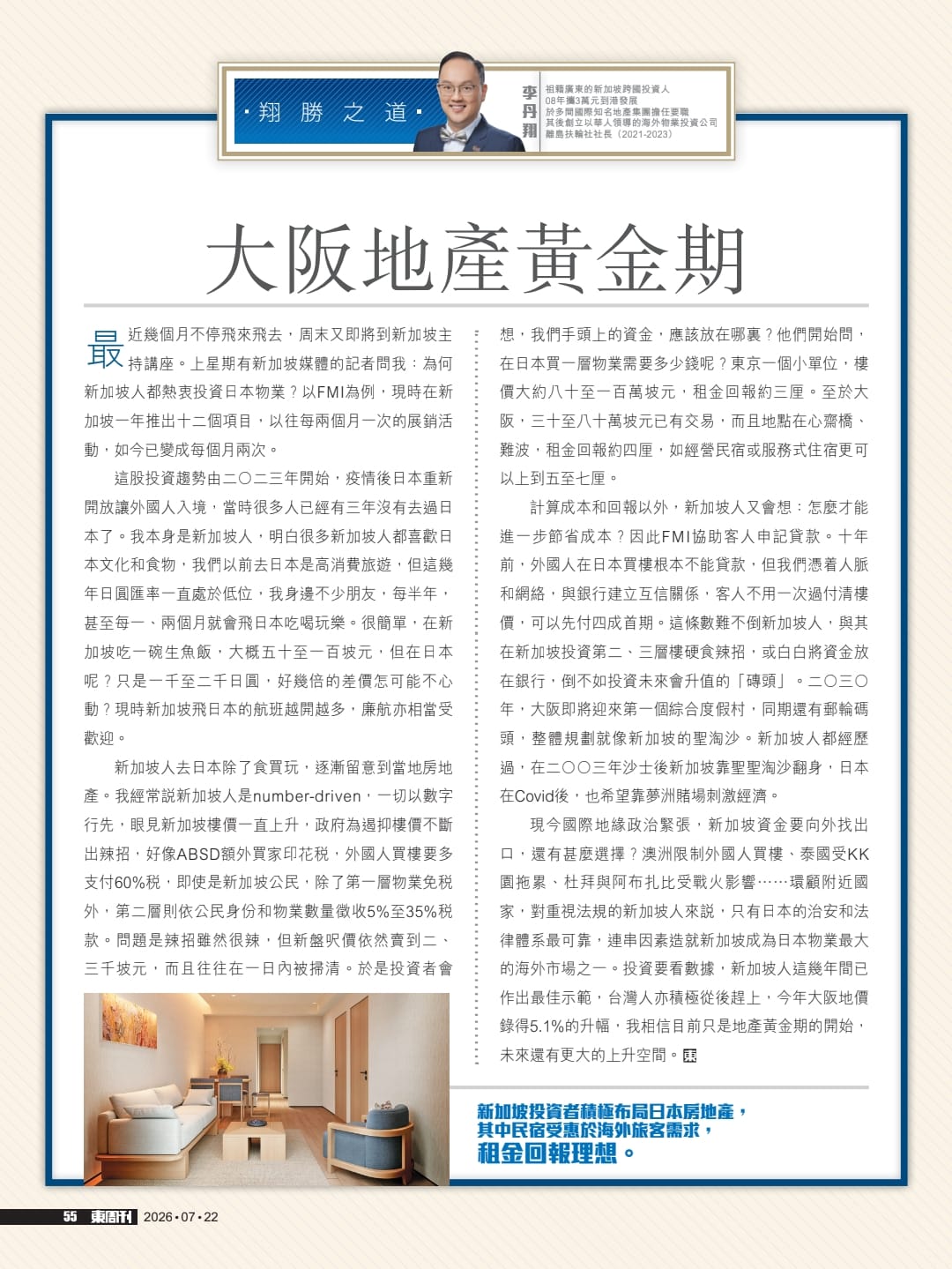
I’ve been flying constantly over the last few months, and this weekend I’m off to Singapore again to host another seminar. Last week, a reporter from a Singaporean media outlet asked me: Why are Singaporeans so enthusiastic about investing in Japanese property? Taking FMI as an example, we currently launch 12 projects a year in Singapore. What used to be an exhibition every two months has now ramped up to twice a month.
This investment trend kicked off around 2023 when Japan reopened its borders post-pandemic, following nearly three years of travel restrictions. As a Singaporean myself, I completely understand the local affinity for Japanese culture and cuisine. Traveling to Japan used to be a high-end luxury, but with the Yen remaining historically weak over the past few years, many of my friends now fly to Japan every six months—or even every month or two—just to eat, shop, and relax. It’s simple economics: a bowl of sashimi donburi in Singapore might cost 50 to 80 SGD, but in Japan, it’s only 1,000 to 2,000 Yen. How can anyone resist that kind of price difference? Furthermore, flight routes from Singapore to Japan keep expanding, and budget airlines are immensely popular.
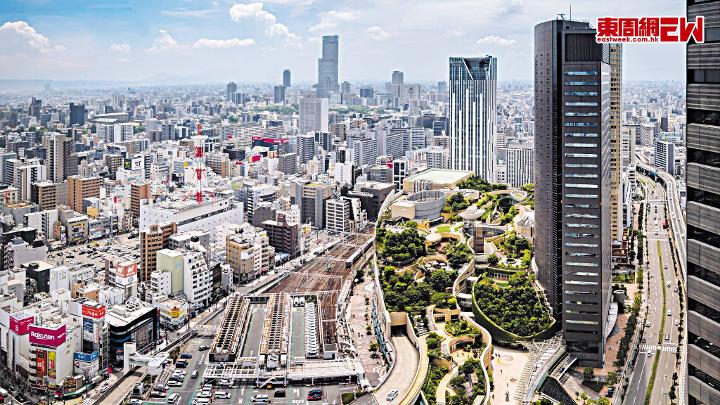
Beyond leisure, Singaporeans gradually began noticing the local real estate market. I often say that Singaporeans are number-driven; they look at everything through the lens of math. Seeing property prices in Singapore climb continuously while the government rolls out aggressive cooling measures—such as the Additional Buyer's Stamp Duty (ABSD), where foreigners face a staggering 60% tax, and even citizens face progressive taxes ranging from 5% to 35% on second and subsequent properties—investors are forced to rethink. Even with these harsh cooling measures, new launch prices in Singapore still command 2,000 to 3,000 SGD per square foot and routinely sell out in a single day. Consequently, investors ask themselves: Where should we deploy our capital? They began looking at the entry costs for Japanese real estate. A small apartment in Tokyo runs about 800,000 to 1 million SGD with a rental yield of around 3%. In Osaka, however, you can secure a property in prime locations like Shinsaibashi or Namba for 300,000 to 800,000 SGD, yielding around 4%. If operated as a vacation rental or serviced accommodation, that yield can easily jump to 5% to 7%.
Beyond crunching the numbers and calculating returns, Singaporeans always look for ways to optimize their capital—which is why FMI assists our clients in securing local financing. Ten years ago, foreigners couldn't get mortgages in Japan at all. But through our network and established relationships with Japanese banks, our clients can now purchase with a 40% down payment. For savvy Singaporean investors, the math is straightforward: rather than taking a massive hit from ABSD taxes on a second or third property at home, or letting cash sit idly in a bank, it makes far more sense to invest in appreciating physical assets overseas. In 2030, Osaka will welcome its first integrated resort, alongside a new cruise terminal. The overarching master plan mirrors Singapore's own Sentosa development. Singaporeans remember how Sentosa helped revitalize our economy after the 2003 SARS crisis, and Japan is following a similar playbook post-COVID, using the Yumeshima casino complex to drive long-term economic growth.
Amid current global geopolitical tensions, Singaporean capital is actively seeking safe foreign outlets. What other choices are left? Australia has placed heavy restrictions on foreign property buyers; Thailand has been impacted by negative sentiment surrounding scam syndicates; and Dubai and Abu Dhabi are shadowed by regional conflicts. Looking across the map, for a population that values legal predictability and safety above all else, Japan’s stable rule of law and low crime rate make it the most reliable destination. These converging factors have turned Singapore into one of the largest overseas markets for Japanese real estate. Investment is a game of data, and Singaporeans have set the gold standard over the past few years, with Taiwanese investors quickly following suit. With Osaka recording a 5.1% land price increase this year, I believe we are only at the dawn of a golden era for real estate, with massive room for growth ahead.
Singaporean investors are actively building positions in Japanese real estate, with vacation rentals benefiting immensely from robust overseas tourism and delivering exceptional rental yields.
Author
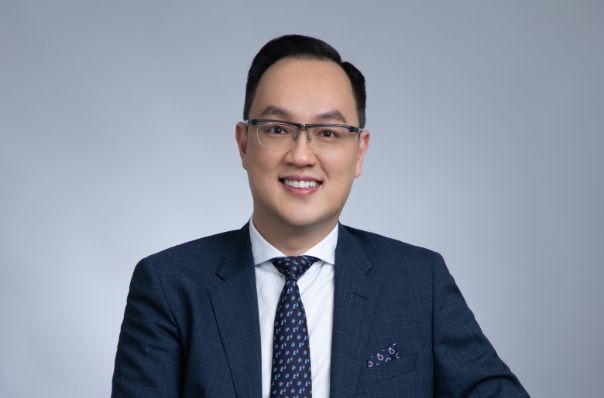
Amous Lee
The CEO and Partner of FMI Investment possesses over 24 years of extensive experience in international property investment. Throughout his 24-year career, he has been actively involved in project consultancy and marketing for multiple listed developers, successfully transacting and managing global properties valued at over USD 8 billion. In addition, he is a member of the Australian Institute of Quantity Surveyors (AIQS), as well as a member and former Secretary General of the Australian Institute of Building (AIB).
YOU MAY ALSO LIKE…