


 Search
LASTEST BLOG
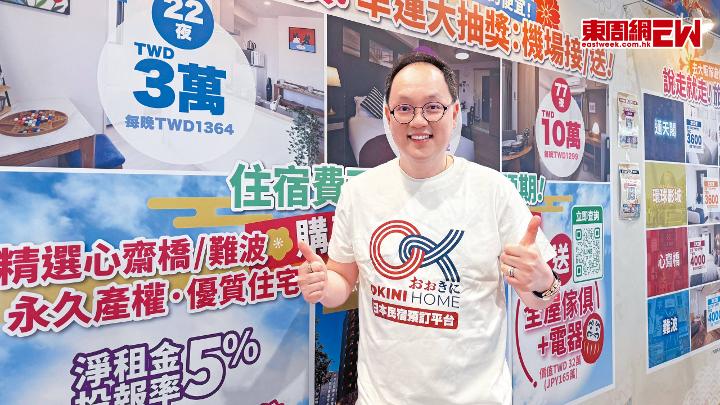
Last month, we participated in travel exhibitions in Singapore and Taipei. The on-site response was overwhelmingly enthusiastic, creating an atmosphere completely different from traditional property exhibitions. Instead of nervously punching numbers into calculators, people were relaxed and cheerful. Travel truly has the power to recharge people, and being right there on the ground, I thoroughly enjoyed every single minute of it. This year, we have actively participated in travel expos across various parts of Asia with the goal of connecting with more people who love traveling to Japan and introducing FMI’s latest "OKINI Long Stay" to different regions.
Last week, my team and I split into two groups to participate in local travel exhibitions in Taipei and Singapore. Alongside promoting our Okini App, minshuku (private lodgings), and monthly rental package tours, we met many travel enthusiasts. It turns out that besides loving travel in Japan, many friends are also interested in investing in Japanese minshuku and accommodations—particularly regarding how they are rented out, managed, and operated. Allow me to answer all these questions at once.
Recently, FMI simultaneously participated in two major travel exhibitions: "NATAS Travel 2026" in Singapore and the "2026 TITE Taiwan International Travel Exhibition." Looking back, this year we have successively participated in travel expos in Hong Kong, Taipei, Seoul, and Singapore, bringing the OKINI Home App to different cities so that our premium vacation rentals, rental discounts, and member privileges can reach even more travelers who love Japan.

In the second quarter of this year, Japan's real estate investment surpassed 1 trillion yen, representing a 17% increase year-on-year. Compared to previous years over the same period, this marks the first time in 19 years that investment has broken the "1 trillion yen" mark. Among this, approximately 36% came from overseas capital, surging 20% year-on-year, reflecting exceptionally high international interest in the Japanese market.
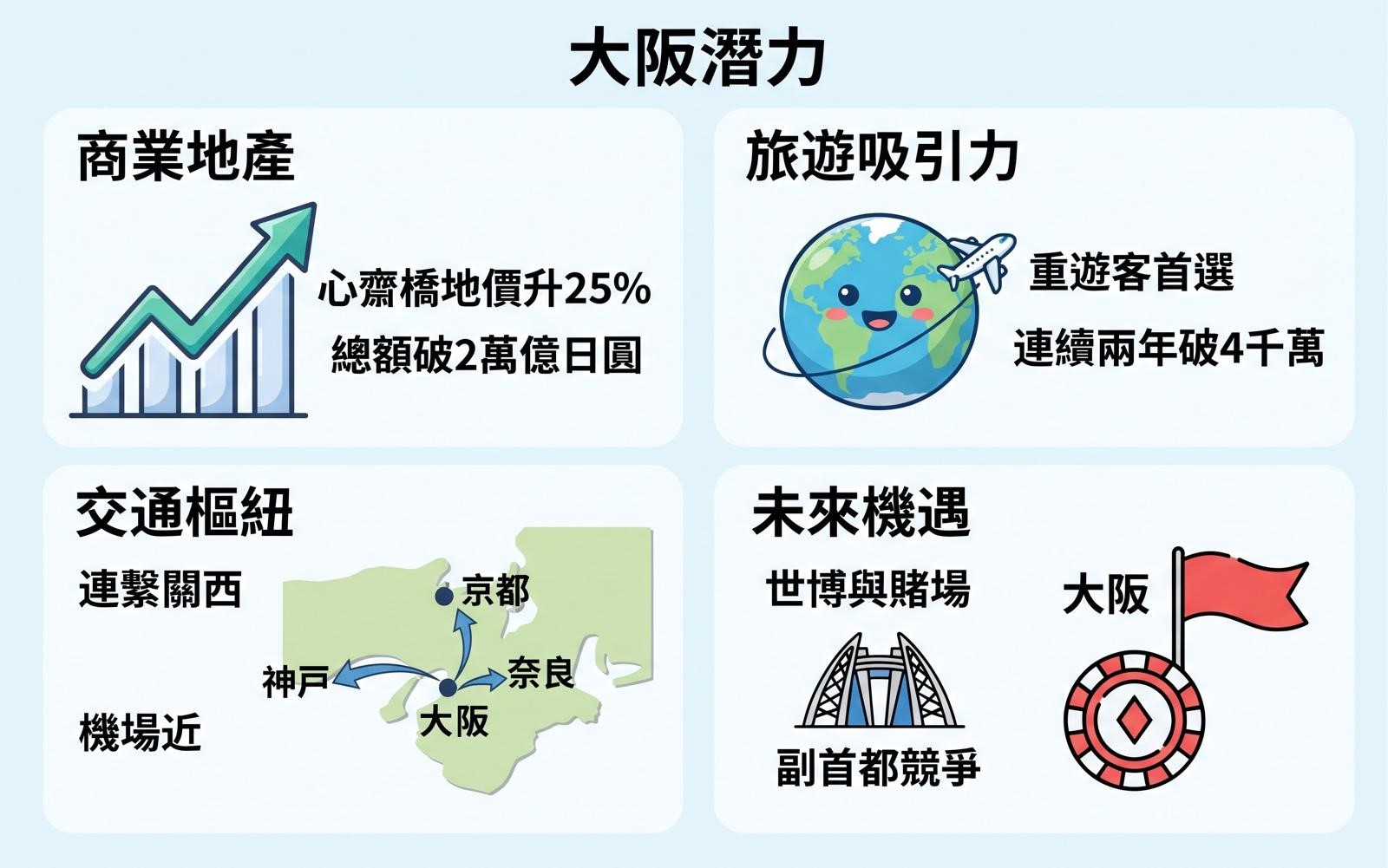
As we enter the second half of 2026, various institutions have successively released their performance scorecards for regional investment markets. As expected, Japanese real estate continues to perform exceptionally well. According to data from CBRE, commercial real estate investment in Japan hit a record high in the first quarter of this year, with investors from all over the world flocking to the country. Among them, commercial real estate investment increased by 2.0% year-on-year, surpassing 2 trillion yen and setting an all-time high for the same period.

The Japanese Diet recently passed the vice-capital bill. The vice-capital plan will focus on three major pillars: enhancing industrial competitiveness to establish an economic center; developing transportation networks and urban infrastructure; and setting up bases for national organs and special corporate legal entities. Additionally, there are plans to provide tax incentives for companies relocating their headquarters from Tokyo to the vice-capital. Currently, cities such as Osaka, Nagoya, Fukuoka, and Sapporo have expressed interest in applying. Among them, Osaka has the strongest momentum to become the vice-capital, with reports indicating that the ruling party intends to promote Osaka Prefecture to stand on equal footing with Tokyo, which will simultaneously help resolve the issue of power being overly concentrated in Tokyo.